
Communion is one of the most recognized practices in Christianity, yet it’s also one of the most commonly misunderstood. Whether someone is new to church, returning after many years, or simply curious about the Lord’s Supper, there are certain questions that often come up.
Protestant churches may differ in some of their traditions, but they generally share the belief that Communion is a meaningful act of remembrance centered on Jesus Christ and the price He paid for our sins. Below are some of the most common questions people ask about Communion and the answers many Protestant churches provide.
What Is Communion?
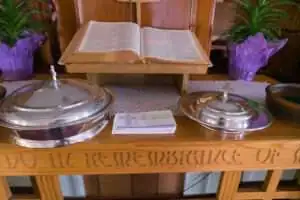
Communion, sometimes called the Lord’s Supper, is a practice Jesus established with His disciples before His crucifixion. During that meal, He used bread and a cup to symbolize His body and blood, instructing His followers to continue the practice in remembrance of Him.
For Protestants, Communion serves as a reminder of Christ’s sacrifice and God’s grace. It is not simply a tradition or ritual. It is an opportunity for believers to pause, reflect, give thanks, and remember the foundation of their faith.
Why Do Christians Take Communion?

One of the most searched questions about Communion is why Christians continue to observe it today. The answer is rooted in Jesus’ own instructions. Communion helps believers remember Christ’s death, celebrate the forgiveness made possible through His sacrifice, and reflect on their relationship with God.
Communion also reminds believers that they are part of a larger body of faith. While it has personal significance, it is also a shared act of worship that brings the church together. Whether celebrated in a large sanctuary or a small gathering, the purpose remains the same.
How Often Should Communion Be Served?
Churches differ on this question. Some Protestant congregations serve Communion every week, while others observe it monthly, quarterly, or during special services such as Easter and Christmas.
Scripture does not prescribe a specific schedule, which gives churches flexibility. What matters most is not the frequency itself but the intentionality behind the practice. Whether Communion is observed weekly or occasionally, it should remain meaningful and focused on Christ.
For churches seeking practical ways to prepare for regular Communion services, resources available at All Communion can help simplify planning and preparation while keeping the focus on worship.
Who Can Participate in Communion?
This is another question many people ask, especially visitors attending a church for the first time. Practices vary among Protestant churches, but many welcome all believers in Jesus Christ to participate in Communion.
Some congregations provide a brief explanation before Communion begins so guests understand the church’s practice. Others encourage participants to reflect prayerfully before partaking. Because traditions differ, it is always helpful to listen to the guidance provided by the local church.
What Elements Are Used During Communion?

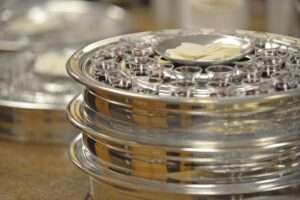
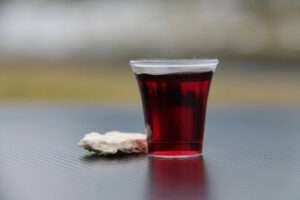
The bread and cup are the traditional elements used during Communion. Depending on the church, the bread may be wafers, unleavened bread, or small pieces of loaf bread. The cup is commonly filled with grape juice in many Protestant churches, although practices vary.
Churches today have several options available depending on their size and needs. Some use traditional Communion trays along with sacramental grape juice and altar bread. Others prefer convenient solutions such as Kingdom Prefilled Communion Cups & Wafers, particularly when serving larger congregations.
Products like sacramental grape juice, traditional altar bread, disposable Communion cups, and stackable Communion trays are commonly used by churches and are available through All Communion, helping ministries choose the approach that best fits their worship setting.
Can Communion Be Taken at Home?
The growth of small groups, home Bible studies, and family worship gatherings has led many people to ask whether Communion can be shared outside of a church building.
Many Protestant churches believe that, unless a particular tradition teaches otherwise, believers may share Communion in home settings when it is approached with understanding and reverence. During seasons when gathering in person becomes difficult, home Communion has often helped believers stay connected to this important practice.
What Should Someone Think About During Communion?
Communion provides an opportunity to slow down and reflect. Many believers use the time to remember Christ’s sacrifice, express gratitude, pray, and examine their relationship with God.
Some people focus on specific Scripture passages. Others spend a few moments in silent prayer. There is no single formula. The goal is simply to approach Communion with sincerity and a desire to remember what Christ has done.
Communion Remains a Meaningful Practice
Questions about Communion are natural. In fact, they often reflect a desire to understand the faith more deeply. While traditions may vary among Protestant churches, the central purpose of Communion remains consistent: remembering Christ, celebrating His grace, and sharing in worship with fellow believers.
Whether someone is taking Communion for the first time or has participated for decades, the Lord’s Supper continues to offer an opportunity for reflection, gratitude, and renewed focus on the gospel. The questions may change from person to person, but the significance of Communion remains remarkably enduring.