

7 Benefits of Using Prefilled Communion Cups with Wafers
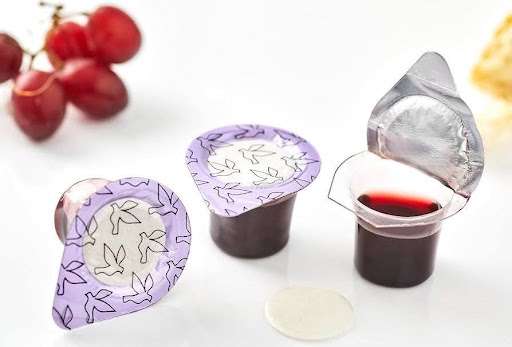
Communion Sunday should never feel like a logistics problem. For many churches, it’s the preparation time that eats into their schedule. Time that otherwise could go towards prayer and preparing hearts for worship. That’s why more congregations are switching to Communion cups with wafers. This is a sealed, single-serving format that pairs the bread and the cup together, removing all the guesswork from the Lord’s Table. Your church weighing whether to make the change? Here are seven points to consider from AllCommunion: Every cup stays sealed until the moment of Communion Nothing disrupts the sacredness of the Lord’s Supper faster than a congregant hesitating over a shared cup. A prefilled cup solves that concern before it even starts. The wafer sits in its own compartment, sealed above a portion of juice. It stays untouched by any hand until the worshipper peels it open. That seal in these Communion cups with wafers is so important during cold and flu season, or simply for members who are more health-conscious than they used to be. This helps them feel safer and more focused on the service itself. Your Communion service moves the way it should A Communion service shouldn’t feel rushed, but it also shouldn’t stall the rest of worship while ushers make multiple passes with trays and cups. Prefilled sets let a deacon hand out one item per person in a single pass. There’s no cautiously carrying the trays or small cups to balance without spilling. The congregation moves from the Word to the Table and back to worship without a long gap in between, keeping the flow of the service intact. Maximum freshness Traditional Communion prep means you need someone to measure the juice and portion the bread the night before. Prefilled sets remove that necessity. Each cup shipped is individually sealed, so Communion juice stays fresh for months. Stock up once a quarter instead of prepping ingredients week after week, and every congregant tastes the same quality on any given Sunday. Communion travels well beyond the sanctuary Your ministry doesn’t stop at the church doors; neither should Communion. Prefilled Communion cups go where the tray and pitcher never could -into a hospital room or a homebound member’s living room. A pastor visiting a member in the ICU can carry a single cup in a coat pocket. Missions teams and outdoor services benefit the same way. Communion becomes something the church can bring to people, not just something people show up for. No one in the congregation gets left out A growing number of churches serve members with gluten sensitivities or other dietary restrictions, and standard wafers can quietly exclude them from full participation. Many prefilled options now come with a gluten-free wafer with the juice, made from ingredients that meet the same safety standards as any other church products on the shelf. That means every member can partake at the same moment as everyone else in the room. Fellowship at the Table works best when it actually includes everyone at the table. Less waste means better stewardship Every unused portion of juice poured down the sink or every wafer thrown out at the end of service is a small cost. This adds up over a year. With prefilled cups churches are able to order exactly the count it needs for a given Sunday. 100 for a small congregation or 500 for a large one. There is no need for estimating attendance and over-preparing. You don’t have any glass cups to wash or leftovers to discard, so you don’t need extra hands for the cleanup after service. That is real stewardship of the resources a church has been given, not just a convenience. Anyone can serve with confidence Distributing Communion does not need any kind of special training. Prefilled cups are simple enough that a teenager helping out for the first time and a longtime elder can both hand them out without any hesitation. The design opens with a light peel. So even members with limited hand strength can manage it on their own during the observance of Communion. That simplicity frees up volunteers to focus on the people they are serving instead of the mechanics of the elements. That means a smaller church with fewer hands can still run a smooth, dignified service. Choosing the right Communion supplies for your congregation It’s worth looking closely before you order because not every box of prefilled cups is going to be made the same way. Check that the set fits your standard Communion trays if your church still uses them for certain services. You should also confirm that the shelf life matches how often your congregation gathers. A church that celebrates Communion weekly will naturally have much different needs than a church that observes it monthly. The right Communion supplies need to match that exact rhythm, not force a change in how your church already worships. At AllCommunion, every set we carry is made around that same idea. Dependable church products that hold up to real church use, from a Sunday morning of a few dozen members to a citywide gathering of thousands. We keep gluten-free and standard options in stock, along with bulk counts for churches of every size. Let your leadership spend less time managing supplies and more time preparing hearts for the Table. Communion has never been about the container. It’s about remembering what Christ did and gathering as one body to give thanks for it. A sealed cup does not change that truth, it just clears away obstacles that can get in the way, so your congregation can come to the Table ready to worship.
Red Grape Juice vs Wine Communion Cups: Which Should You Choose?

It is always the Lord’s Supper that brings believers back to the cross every time they gather. Bread reminds us that Jesus willingly gave His body for us. The cup points to His blood. Blood that was poured out so we could receive forgiveness from sins and be brought into a relationship with God. Communion is an act of devoted worship; a time to remember and celebrate the grace we have received through Christ. There’s a very practical question on many minds when preparing for Communion: Should we be serving wine or grape juice? Many congregations have used wine for generations. Others have embraced alcohol-free Communion using red grape juice. Both of these practices exist all over churches today, and each congregation reaches its decision with prayer and care for the people they serve. The choice also affects the type of wine Communion cups or prefilled cups a church purchases. Understanding the history and the practical considerations behind both of these options is going to help church leaders make informed decisions. Why do some churches use wine for Communion? Wine has a long history in the Bible. Jesus took the cup after the Passover meal at the Last Supper. He told His disciples, “This is my blood of the covenant.” Scripture describes the cup as “the fruit of the vine.” Throughout church history, many believers have understood that to mean fermented wine. Churches continued this practice. Some congregations also appreciate the symbolism of wine. Fermentation reflects a natural process. One that’s been associated with celebration throughout Scripture. For these churches, serving wine preserves a tradition that stretches back centuries. Today, many suppliers provide wine Communion cups in sealed, single-serving containers. They’re great if you want to serve wine without any preparation; plus, they also improve sanitary practice. Modern prefilled Communion cups also reduce spills and make distribution a breeze when you are hosting a large service. Some churches also choose kosher Communion wine. This is because it is produced according to Jewish dietary requirements and aligns with their preference for products made from carefully selected grapes. Why do many churches choose red grape juice? The nineteenth century saw widespread use of red grape juice in churches. Many believers wanted Communion to remain accessible for all. Especially for people recovering from addiction or even for those who chose complete abstinence. Thomas Bramwell Welch developed a pasteurization method during this time that stopped the fermentation. Churches could now serve an unfermented cup. Many congregations continue that practice. Alcohol-free Communion allows every believer to participate without any worry, including pregnant women or children in the congregation. A great detail is that red grape juice still reflects the rich color that reminds believers of Christ’s sacrificial blood. What does Scripture require? The New Testament places the emphasis on remembering Christ. It calls us to look into our hearts and proclaim His death until He returns. The focus needs to always remain on Christ. Never on the preparation methods. Faithful churches have reached different conclusions, but they maintain the same central truth. Salvation comes through Christ alone, by grace through faith alone. Communion celebrates that finished work. Churches can thoughtfully choose the elements that best serve their congregation while remaining faithful to biblical teaching because of that shared foundation. How modern Communion cups changed church practice Over time, the way churches distribute Communion has changed. Believers shared one common Communion cup for centuries. During the late nineteenth century, concerns about health and safety encouraged many churches to adopt individual Communion cups instead. That change gradually spread across denominations in North America. Today, we find that disposable Communion cups continue with that tradition of convenience and cleanliness. Churches have come to love the reduced prep time and simple cleanup after each service. Many prefilled options that you now get come with both the wafer and the cup in one compact package. Communion has become much easier during worship services. How to choose Communion cups Think about your church’s convictions Every congregation is going to approach Communion through its own biblical understanding. Some churches believe wine best reflects their historic practice. Others intentionally provide alcohol-free Communion. This way every believer can participate with confidence. Church leadership needs to select elements that best align with their teaching while also serving the needs of the congregation. Consider the people you serve Every church family includes different life experiences. Some members may be celebrating years of freedom from addiction. Others may have health concerns that require avoiding alcohol. Parents also appreciate knowing the Communion elements are suitable for younger participants when their church welcomes them to the Lord’s Table. Practical care for the congregation often becomes the most important part of this decision. Evaluate preparation and cleanup Church volunteers invest significant time preparing Communion. Prefilled disposable Communion cups reduce that workload considerably. Each serving arrives sealed until use. It preserves freshness, and storage or transport becomes very easy. Choosing between wine and grape juice There is no universal answer Communion practices vary widely. Some churches offer wine at every service. Others might serve grape juice only. Some might even have both options available. This diversity reminds us that faithful believers have reached different conclusions while gathering around the same gospel. Focus on worship, not preference Communion never needs to become a debate over personal tastes. When believers receive the bread and the cup, their attention belongs on Christ. The meal reminds us that Jesus willingly gave Himself for sinners. We come with thankful hearts to celebrate His grace. We come together to proclaim the hope found in His resurrection. Practical solutions for today’s churches Modern suppliers like AllCommunion now offer both wine Communion cups and disposable Communion cups. They’re shipped with high-quality hermetic seals. You get to enjoy maximum freshness every time. Churches no longer have to sacrifice convenience to be consistent with their convictions. Wrapping up This discussion has been going on for generations now. Some continue using wine Communion cups, others embrace alcohol-free Communion to welcome every
How to Order Communion Supplies Online Without Overspending

Someone discovers the Communion cabinet has run low three days before the service, so he places a rush order at full price just to keep the table set. This happens quietly, month after month, and the line item for Communion ends up costing more than it should. Your church needs a plan if you want to change this. How the Communion budget gets out of hand An intentional system built around Communion supplies protects a church’s budget iis far better than reacting when the shelf runs bare. The hidden cost of ordering too often Small, frequent orders cost more per unit when you compare them to a larger order placed with planning. If your church is reordering supplies every six weeks, they pay shipping charges every time. Every smaller quantity shipment misses volume pricing entirely, and over a year, those repeated shipping fees add up. Treating Communion purchases like panic buying Congregations that observe the Lord’s Supper weekly or monthly go through cups and bread at a very predictable rate. Planning a yearly order around that rate makes sense, instead of stocking whenever the shelf looks thin. This keeps the price consistent and stock steady. Buying Communion supplies on that kind of schedule turns a recurring scramble into a routine task. What to look for before you buy Communion supplies Cup material and tray compatibility Plastic cups will have different heights and rim widths from one manufacturer to the next. If the cup doesn’t sit flush in your existing Communion tray, it will create spills during the serving of the elements. Confirm the cup dimensions against the trays you already have in your sanctuary before placing a large order. Shelf life and storage needs Prefilled cups with juice and a wafer sealed together come with a shelf life. You can find this on the case. Generally, shelf life is up to a year. Churches with smaller attendance should buy closer to what they will use within that window and not stockpile cases because these will expire if not used and will lead to waste. The real savings behind bulk Communion cups Suppliers save on packaging and handling when they ship one large order instead of five small ones, and that savings gets passed to the church that orders in volume. This is perhaps the single biggest lever a congregation has for controlling the cost of Communion over a full year. Case pricing beats small packs A box of 100 is almost always going to cost more per cup than a case of 1,000 from the same supplier. You will be surprised when you run the numbers. Bulk Communion cups bought once or twice a year cost noticeably less than the same total quantity bought in smaller batches throughout the same period. You can push the per-unit price down further by pooling the order across multiple services. Subscriptions and reorder plans Several suppliers offer standing reorder plans that ship a set quantity on a fixed schedule and apply an automatic discount for staying enrolled. This removes the guesswork of tracking inventory by hand and closes the door on the last-minute rush order that always costs more. A quarterly reorder plan tied to your actual attendance is going to keep the cabinet stocked without tying up cash in supplies sitting unused on a shelf. Finding inexpensive Communion cups without cutting corners You can always keep chasing the lowest number on the page, but what you need to do is chase the lowest true cost. The two goals point to different products, and knowing the difference is going to protect both the budget and the service. Comparing cost per cup Listings advertise sale pricing on boxes of different sizes, which makes side-by-side comparison really difficult unless the total price gets divided by the count. Inexpensive Communion cups earn that label only when the per-cup number is able to beat what a church is currently paying. Prefilled Communion vs fillable options Prefilled Communion cups seal the juice and wafer together at the factory. This saves a lot of prep time for the volunteers. Congregations with a strong volunteer team often save by choosing prefilled cups over fillable cups since these come proportioned to cut down on any waste. Ordering Communion cups online the smart way Timing your order around attendance Attendance shifts with the calendar. Special occasions are always going to draw in larger crowds than a typical week. Ordering Communion cups online ahead of these dates is a great way to avoid the rush shipping fees that easily erase any bulk savings already earned. Reading the fine print on shipping Many suppliers offer free shipping past a minimum order total. Hitting that threshold with a single combined order beats splitting the same supplies across two smaller purchases. Compare the total cost with shipping included against a slightly larger order that clears the free-shipping line. You will generally find that the larger order comes out cheaper once you have the shipping costs factored in. Grab the best deals on AllCommunion You need a supplier that prices honestly and ships reliably. Let your church plan Communion the way it plans everything else in ministry -with foresight built into the calendar and not a frantic scramble every few weeks. AllCommunion was built around that exact principle. We bring you everything a congregation needs among its church products to buy Communion supplies with confidence, priced to reward churches that plan ahead. A fellowship of twenty and a congregation of two thousand both benefit from ordering Communion cups online through a AllCommunion, who understands church budgets rather than retail margins. Congregations ready to stop overpaying should order Communion supplies from AllCommunion and see how a well-planned order helps them save.
Communion Supplies Checklist for Church Leaders

Sunday mornings do have a habit of exposing every gap in your preparation. The worship set ends, and the congregation turns toward the table expecting holy Communion. That’s the wrong moment to discover wafers are stale or the juice ran out last week. No one needs issues like that. To prevent problems, try a written Communion checklist that frees you to focus on why the church gathers at the table in the first place: to remember Jesus and what He did for us. Here’s a handy guide from AllCommunion to walk you through what belongs on that checklist: Why you need a written Communion checklist Memory can fail Deacons and worship pastors need to deal with a dozen tasks on any given Sunday. Communion prep competes for the same attention. With a checklist, they’re able to cut down on any guesswork. You put every step on paper before the first person arrives. Nobody needs to rely on remembering what worked last month. A rushed table pulls focus away Congregants are surely going to notice when something feels a bit off. Wafers scattered unevenly or a juice pitcher running low mid-row. These are very small details. But they pull attention away from the moment itself. Holy Communion is a celebration of grace, and a prepared table is what lets the people stay fixed on that truth, not on what’s missing. Consistency builds confidence Churches rotate volunteers through Communion prep constantly. A Communion checklist gives every volunteer the same clear standard to follow. You need that consistency even more as your congregation grows, as more hands take part in the process each month. What to include in your Communion checklist Every church’s list is going to look a bit different depending on size and tradition, but a handful of categories will show up almost everywhere. Here’s a great starting point for you. Communion elements: Bread or wafers, plus juice or wine purchased with enough lead time, so check expiration dates. Serving pieces: Trays, individual cups or a shared chalice, and bread plates sized for your congregation. Table linens: A fitted covering and any embroidered cloths your church uses for the season. Storage supplies: Airtight containers to keep unused wafers and a cool, dark space for juice. Setup tools: Tray fillers for disposable or prefilled cups, trash bags for disposal, and a cart if the table sits at a distance from the prep area. Backup stock: Extra cups and wafers for when the attendance runs higher than expected. You will want to print this list and pin it in your supply closet. This checklist is only going to work if the people using it can find it fast on a Sunday morning. Choosing the right elements for holy Communion Wafers, bread, or prefilled cups Some congregations bake their own bread weekly. There are others that prefer the consistency and shelf stability of Communion wafers. These store and travel well. Plus, these do not leave you guessing of when to bake. Churches running larger services often move to prefilled cups that come with wafer and juice together. This cuts down the prep time down to almost nothing on a busy Sunday. Storing Communion wafers properly Heat and humidity are going to be the number one enemy. Keep Communion wafers sealed in their original packaging until you plan to use them. So naturally, storing becomes very important. You will need to store that packaging somewhere cool and dry. Keep away from any direct sunlight, and check the expiration date every time you need to restock. This way you can rotate older boxes to the front. Storing and serving Communion juice Unopened Communion juice can last you months, but it needs to be stored in a cool pantry. Refrigerate it immediately upon opening, and use the remainder within the week. Buy single-serving bottles or prefilled cups if you want to avoid this problem; a wise choice because nothing goes to waste after the service. If your congregation prepares Communion juice in bulk pitchers, pour only what a single service needs. Make sure you refrigerate the rest right away. Don’t leave it out during setup; it will spoil the juice quickly. Preparing the Communion table Setting up with purpose The Communion table needs to be ready well before the first person walks in, not assembled while the opening song plays. The easiest way is to start with setting out the trays in the order they will be passed. Does your church use candles or a cross as part of the table’s presentation? Place those first so the elements sit naturally around them. After the service Cleanup also needs to get the same care as setup. Rinse trays before residue dries. Return unused wafers and juice to storage immediately. This is a five-minute habit, but it protects the next service from starting behind schedule. Turning this into a repeatable system for church leaders This checklist can only earn its place if someone actually uses it every time. Build it into your team’s weekly work rhythm. Assign one volunteer as the point person for supply counts, and have them restock a week ahead. Church leaders should treat Communion prep as a standing responsibility, rather than an afterthought. Over time, this system starts becoming second nature. New volunteers step into a process that already works, and the table stays ready for whatever the season brings. Building a reliable Communion checklist always starts with the right sourcing of elements. We here at AllCommunion stock everything your congregation needs, so restocking never becomes the thing that slows your team down. When the supply side runs extra smoothly, your church can put its full attention on the Lord’s Supper.
Bulk Communion Cups: How Churches Can Save Money
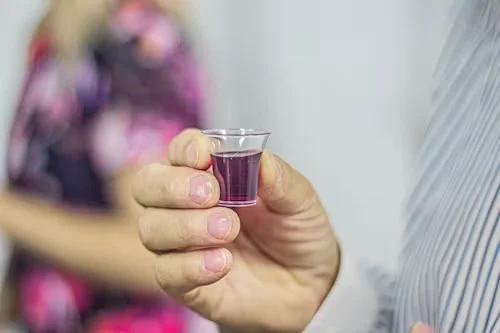
Every congregation always has the same budget question. Why does Communion cost so much over a year? Something so simple shouldn’t cost so much, but the answer usually has very little to do with the elements themselves and more to do with how they are purchased. If your church keeps reordering small boxes every few weeks, you are bound to pay a premium; plus it usually isn’t noticeable until you add up all the invoices for the year. You can change that math by purchasing bulk Communion cups. How Communion costs add up over time The hidden price of small orders Retail pricing is often higher for small quantities because a box of a hundred cups is going to cost more per cup than a case of a thousand. Most churches never realize how much that gap widens with larger audiences. A congregation running two weekly services with juice and bread will see stacked costs, easily spending hundreds more a year buying reactively. Ordering cheap Communion cups might feel efficient at the moment, but it trades long-term savings for a habit that keeps the price high for each single order. Switching to bulk Communion cups closes that gap the first time an order goes out. Volunteer hours are a cost too Money is not the only resource on the line. Preparation takes real time from real people. That time has value. If your team spends an hour before every service on Communion prep, they are essentially giving up an hour that could go towards welcoming new visitors or rehearsing worship music. Cutting prep time is its own form of saving. It’s a line item that almost every budget forgets to track. How buying in bulk cuts the real cost of Communion Plan ahead for the best pricing Suppliers build pricing around volume because it costs less to pack and ship one large case than several small ones. That discount is passed straight to the church willing to plan a quarter or a year ahead and doesn’t want to reorder every week. Buying wholesale Communion cups by the case is going to be the fastest way to lower the per-cup cost. Prefilled Communion cups remove the prep work Prefilled Communion cups help solve two problems at once. They cut the per-unit cost when you buy in volume, and they eliminate the labor of prep before every gathering. Your worship team can open a case and serve. They can then move on to other parts of a Sunday morning that also need their attention. For churches running hospital visits or home fellowship gatherings, having prefilled Communion cups already assembled means Communion can happen wherever the need arises. Sealed Communion cups protect your investment Buying in bulk is only going to pay off if the product survives storage. Prefilled, sealed Communion cups keep the juice fresh and bread free from air exposure for months at room temperature. This means you can buy a year’s supply and not worry about spoilage. The hermetic seal is critical in saving your large purchase and makes it a real budget decision. That’s the reason wholesale pricing on prefilled, sealed Communion cups makes sense instead of leading to waste. What to look for in wholesale Communion cups Tray compatibility Not every cup is going to work with every type of tray. If you have a mismatched one, it forces you to buy new trays with your cups. This eats into any savings you made from the order. So before committing to a large wholesale Communion cups purchase, check that the cup dimensions match the trays you already have back in storage. Standard trays are typically able to hold forty cups, so ordering in multiples keeps your inventory simple and prevents partial boxes from sitting unused. Shelf life It is the shelf life that will decide how far ahead you can safely buy. Elements rated for several months to a year let you lock in pricing once and forget about Communion supplies until the next budget cycle. Shorter shelf life narrows that window and can quietly push a church back towards smaller, more expensive orders. Portability Portable Communion is very important for those services outside the sanctuary. Think hospital visits or outdoor gatherings. The same individually prefilled, sealed format makes bulk buying incredibly practical. It makes those moments possible without requiring extra planning. A pastor visiting a homebound member needs just a case of ready-to-serve cups in the car. Building a smarter Communion budget You need to match the order size to the attendance. The church that saves the most always treats ordering Communion supplies like any other recurring expense. Calculate the average attendance (factoring in growth) and order to match rather than reacting after supplies are already running low. A church averaging two hundred worshippers across weekly services can estimate its annual need within a few boxes and order bulk Communion cups accordingly. This way, you lock in the lowest per-cup price the supplier offers. We here at AllCommunion bring you a wide range of bulk cups to cover congregations of almost every size. Get prefilled Communion cups sealed to hold up through a full season of ministry. Every case ships ready for the tray, so ordering ahead is never about guessing about compatibility. For a church ready to stop paying retail prices for something it uses every week, that’s where the real savings start.
Shelf Life of Prefilled Communion Cups: Everything Churches Need to Know

So how long do your prefilled Communion cups really last when kept sealed? A deacon will often reach inside the supply closet three days before the service and find a case that has been sitting there for a long time. No one knows when it was ordered. No date jumps out. This moment repeats itself in churches every week and usually ends with a rushed reorder. You need to know the real shelf life of your Communion cup supply if you don’t want to keep on guessing. Let your team plan Communion around ministry and not inventory panic. What determines the shelf life of prefilled Communion cups Sealed design All prefilled Communion cups are going to come with a printed shelf life on them, and it’s usually between six and twelve months from the date of manufacture. You get this range because manufacturers use different sealing methods, and it is the seal that does all the real work. You get the juice and wafer inside the sealed package. No outside air ever touches the contents. No refrigeration needed in most cases, which is exactly why a sealed cup can sit in a supply room for months and still be absolutely safe to serve at your next service. Juice and bread age differently With each prefilled cup, you are essentially getting two separate compartments. Each of these will have its own timeline. You have the juice that is usually 100% sacramental grape juice. Zero added sugar. The seal resists spoilage well by blocking air and light that cause fermentation and flavor breakdown. The wafer is the more fragile one here. Unleavened bread has almost no moisture. This gives it a long shelf life, but it can pick up humidity through even a tiny seal defect and turn soft or stale. Hence, you see the printed date on the box reflecting the shorter of the two lifespans. Communion storage to protect freshness Every church that keeps Communion supplies on hand faces the same two enemies, and neither one is going to show up on the outside of the box until most of the damage is already done. Temperature and light Communion storage comes down to heat and light. A warm closet in summer can push the internal temperatures high enough to weaken the seal. This accelerates juice breakdown. Make sure to store your cases in a cool, dry cabinet to help with this. Churches that host midweek prayer gatherings in a fellowship hall often store a small working supply close to the serving area and keep the bulk case in a separate, climate-controlled room. This split protects the majority of your stock, plus you also have a few cups within easy reach. Reading the expiration date correctly Every case of holy Communion cups will come with a lot number and best used by date. You should find it stamped directly on the box. Write down the date somewhere visible when the order arrives. A simple label on the storage bin with the arrival and expiration dates will take hardly thirty seconds but can save your team from guessing later. If your congregation orders several cases across different months, rotate stock so the oldest case moves to the front of the line for the next Communion service. Signs your Communion cups have passed their prime What to look for before service Not every case of prefilled Communion cups is going to age at the exact same rate. True, even if they are from the same order. You need to do a quick check before the service to protect the whole batch. A sealed cup is rarely going to spoil invisibly. Look at the seal itself first. Any puffing or bulging at the edges signals that air has gotten in. That cup needs to be set aside. Cloudy or discolored juice is another indication, along with a sour smell once opened. Now, jumping to the side of the bread. If your wafer feels damp or shows spotting, it has likely absorbed moisture through a compromised seal and should be discarded. None of these checks is going to take a long time, so you need to run these checks every morning before the service. Protect your congregation from an unpleasant surprise during a moment meant for reflection and worship. Rotate to protect every batch Churches that buy in bulk sometimes stack new cases on top of older ones without noticing. This means the oldest stock sits untouched at the bottom until it expires. Opt for first-in, first-out to solve this. This means when a new shipment arrives, you move it to the back of the shelf and pull the old ones to the front. This single habit is what keeps a church from discovering an expired case the week it’s needed most. Buying Communion supplies for the long haul Matching purchase size to service frequency A congregation that gathers for the Lord’s Supper once a month will need a very different volume of Communion supplies than one that shares Communion weekly or serves multiple campuses. Calculate your annual usage of prefilled Communion cups before you place a large order. Now buy in a quantity that clears out well before the printed expiration date. Ordering Communion supplies in smaller, more frequent batches is often going to cost less in waste. Freezing as a backup strategy All major suppliers like AllCommunion note that sealed Communion cups can be frozen if you want to extend usability. This gives churches a very practical option. Freeze cases as soon as they arrive if you know that you won’t be using them anytime soon within the standard window, and thaw only what you need a day or two before service. Avoid refreezing thawed cups because the seal integrity was designed for a single freeze-thaw cycle. Treat the freezer as an extension of your regular Communion storage, not a permanent solution. Rotate frozen cases the same way you rotate shelf stock. Communion is at the very center of what a congregation
Why Churches Use Wafers During Communion
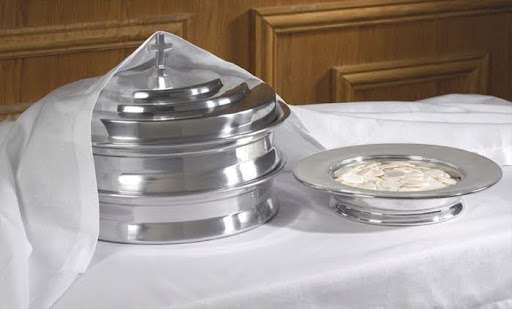
Communion is perhaps one of the most meaningful moments in the life of a church. An act of worship that points believers back to the cross. The elements used during Communion carry deep meaning; the juice and the bread. Many churches today serve small wafers and not pieces of a loaf. Why? Did the early church use wafers? Does the Bible require them? Or are they just convenient? The answer is in centuries of church practice and practical wisdom. The Bible tells us that Jesus had bread during the Last Supper. Nothing specific. Churches have utilized different approaches over time, but the most common? Many churches continue using Communion wafers, and it’s because they believe it supports the purpose of the Lord’s Supper faithfully. What bread did Jesus use at the Last Supper? Jesus shared the Last Supper during Passover. Jewish families ate unleavened bread during that meal in remembrance of Israel’s hurried departure from Egypt. Because there was no time for the dough to rise, no yeast was used to make the bread prepared for Passover. The Bible also uses leaven as a picture of sin and corruption in several passages. Unleavened bread became a fitting reminder of Christ’s sinless life. Jesus broke the bread and connected the Passover meal to the New Covenant established through His sacrifice. Communion continues that remembrance today. Believers proclaim the Lord’s death until He returns. Why did churches begin using wafers? The earliest Christians often used ordinary bread during Communion. Practices gradually developed to meet both theological understanding and practical needs of larger congregations as churches grew across Europe. By the early Middle Ages, many Western churches had begun using thin wheat wafers made only from flour and water. Church leaders saw these wafers as a clear connection to the unleavened bread of Passover.. Today we see the use of Communion wafers has become quite prevalent. Congregations continued using wafers because they remained faithful to biblical symbolism. Plus, they were very efficient for larger services too. Why many churches continue using wafers today They reflect the Passover background Many churches see wafers as a visual reminder of that historic event because Passover bread was unleavened. We cannot reproduce the exact appearance of the bread Jesus used, but the wafers still preserve the connection to the biblical account. They keep the focus on Christ Communion is never about the bread itself. It is about remembering Jesus. A simple wafer avoids drawing attention to appearance or presentation. Instead, it quietly directs the congregation toward Christ’s sacrifice and His resurrection. It directs attention to the hope believers have through Him. They serve large congregations well Many churches welcome hundreds or even thousands of people every week. Serving fresh bread to every person is going to take significant preparation. Thin wafers allow volunteers to distribute Communion smoothly without unnecessary delays and helps the church remain focused on worship. Practical benefits that support worship They produce fewer crumbs Many believers treat Communion with deep reverence. It reminds them of Christ’s sacrifice. Small wafers are usually going to leave very few crumbs. Cleaning up afterwards becomes easier. They stay fresh much longer Fresh bread has a very short shelf life, and so becomes impractical for the long term. Wafers have very little moisture in them. They remain shelf-stable for long periods when stored properly. Churches can prepare confidently without worrying if bread will spoil before the next Communion service. Sacrament supplies become so much easier to manage throughout the year. They create consistency Each person gets the same portion when you are using uniform wafers. Reliable sacrament supplies help ministry teams focus on serving people with the right intentions. What matters most during Communion? Faith comes before the elements Scripture calls us all to peek into our hearts before receiving Communion (1 Corinthians 11:28). The shape of the bread has nothing to do with the spiritual significance of Communion. But our response to Christ does. Believers come with gratitude because Jesus paid the price for sin once and for all. Communion gives the church an opportunity to remember His finished work together. The church gathers as one body Communion reminds us that we belong to one family in Christ. Every person approaches the Lord’s Table through the same grace. It is that shared remembrance that strengthens the fellowship of the church. It points everyone back to the gospel. Simple elements have deep meaning It’s surprising how God often uses some of the most ordinary things to remind us of the extraordinary truth. A small wafer is insignificant, yet something this small directs our attention to the body of Christ given for us during the observance of Communion. The power rests in the Savior they proclaim. Choosing Communion supplies with care We at AllCommunion know church leaders are often going to spend significant time preparing sermons and planning worship. With dependable church products, they can prepare Communion with confidence. Quality church products support the orderly serving of Communion, helping volunteers to minister most effectively. Many churches also choose dependable sacrament supplies because consistency helps every Communion service remain focused on worship and not on the prep beforehand. Reliable church products become part of good stewardship. Among today’s church essentials, Communion supplies remain one of the most regularly used resources because they help churches faithfully celebrate the Lord’s Supper throughout the year. Wrapping up None of the church traditions command churches to use wafers and not bread. Scripture tells us to remember the Lord. Remember the Lord as we share Communion. Many churches love Communion wafers because they reflect the Passover setting of the Last Supper and preserve centuries of Christian practice. Plus, it’s very practical for serving large congregations. The outward form may differ from one congregation to another, but it is the purpose that never changes.
How Prefilled Communion Cups Save Time for Church Volunteers

Sunday morning starts well before the first song plays. Someone unlocks the supply closet. Someone needs to count trays. Someone stands at a folding table, pouring juice by hand while the clock keeps moving toward the service start time. That volunteer has already given up thirty minutes before greeting a single guest. Prefilled Communion cups completely change that math. They let volunteers walk in, open a box, and set the Table. No need for any pouring or any last-minute scrambles. The hour nobody budgets for Most churches never write Communion prep into the schedule. It gets squeezed between setting up chairs and testing the sound board, handled by whoever shows up early enough to catch it. Over a year, that unplanned hour is going to add up to dozens of Sundays spent on tasks no one actually enjoys. We have even got volunteer research to back this up. Formal volunteering through churches has dropped sharp since the pandemic. The people who still show up are having to carry more of the load than ever before. We saw church volunteer participation fall from about 44% before the pandemic to roughly 20%. Fewer hands means every task on a Sunday morning checklist costs more. Communion prep should not be one of the tasks stealing that time. Where most of the prep time goes Break down a typical communion Sunday, and three jobs eat most of the clock. Portioning the juice Someone measures juice into dozens of tiny cups, pouring one at a time. Spill one, and the cleanup adds minutes nobody planned for. Cutting the bread Communion bread has to be sliced or broken into pieces small enough for a tray. You then need to arrange them so nothing looks uneven at the front of the sanctuary. Washing up after Everything used will need washing and drying before they go back in the closet. And most importantly, this is done after the service, once you are already tired. All of this is not anything complicated. It’s just repetitive, and it falls on the same two or three people almost every week. What changes when the cups arrive ready A sealed cup with juice and a wafer already inside removes most of the busywork in just one move. A volunteer sets the cups on trays, and the Table is ready. Instead of forty-five minutes of prep, the job takes ten. Time saving church supplies like these are not here just to shave off a few minutes every Sunday. Free your volunteers to spend that hour actually preparing their hearts for worship instead of standing at a sink. A person who used to dread signing up for Communion duty because of all the workload behind it often signs up again once the workload disappears. Why do you need a quick Communion prep? Speed sounds like a small win until you see what it really protects. Fewer hands needed A quick Communion setup doesn’t require a team of five people. One or two volunteers should be able to prepare a full service, which is very important for smaller congregations already stretched thin on serving teams. Fewer chances for mistakes Hand-pouring juice or cutting bread under time pressure leaves room for spills and rushed cleanup. Sealed cups take care of those issues even before they start. More people willing to help Burnout among core volunteers is a real pattern in churches. The same faces keep saying yes until they quietly stop showing up at all. Volunteers who take on too many roles eventually are going to hit a breaking point and often disengage from everything at once rather than scaling back gradually. A task that takes ten minutes instead of forty-five is a task more people are willing to raise their hands for. Great way to spread the workload across the congregation. Choosing time saving church supplies that actually hold up Check the seal You need a cup that opens quietly and cleanly during a quiet moment of worship. Look for two-step seals that separate cleanly without tearing or crushing the cup. Confirm the shelf life Good sacrament supplies will always come with a printed date and a shelf life long enough to stock ahead of a busy season. This way, a last-minute order never has to become an emergency. Ask about gluten-free There are members in your congregation who might have dietary restrictions. But does that exclude them? They still want to take Holy Communion alongside everyone else. Supplies with a gluten-free option let a church serve the whole room. No need for a separate process for a handful of people. Stocking sacrament supplies with these three details in mind means a volunteer never has to troubleshoot a cup mid-service or explain to a guest why they can’t take part. A simple shift that gives volunteers their Sunday back We here at AllCommunion know the value of prefilled Communion cups is not just the ten minutes they save at the Table. It is actually what a volunteer gets to do with that time instead. Pray with someone before the service starts, or simply walk into worship without a rushed heart -and that’s priceless. It’s the small changes to how a church prepares for the Lord’s Supper that keep on rippling outward. Fewer hours spent on prep means more volunteers stay engaged. Volunteers stop burning out. More of the congregation gets a chance to serve without dreading all the setup behind it. Prefilled Communion cups bring the perfect opportunity to turn Communion prep from a weekly chore into a five-minute task. Give that hour back to the people who show up early every Sunday; the people who make everything possible every week.
What to Look for When Buying Communion Cups in Bulk

Communion sits at the very center of a Sunday gathering. It’s the moment when a congregation pauses and remembers what Jesus did on the cross. Every detail around this sacred moment matters, including the cup someone holds in their hands. The goal is not just to save money when a church buys bulk Communion cups. It is to make sure that nothing interrupts that moment. Zero fumbling with a stuck seal or a leaking cup. Want to get this right? A handful of practical checks before you order saves your team from headaches later. It helps keep the focus where it truly belongs, and that’s on Christ and what He accomplished for us. Matching the serving tray before ordering Ordering bulk Communion cups without checking tray fit first is a very common mistake. And it’s the one that’s the easiest to avoid. Base diameter and fit Most trays used in church Communion services follow a handful of standard sizes. But keep in mind that not every supplier is going to build to the same spec. Pull out your existing tray and check its dimensions before you place an order. A cup that sits even a fraction too wide won’t seat properly, and a room full of ushers discovering that on a Sunday morning is not where anyone wants to be. Rim and height Look closely at the rim. A flared edge is going to sit much more comfortably against the lip and cuts down on spills while passing the tray. Height matters just as much too. A cup too tall for your tray’s depth will be prone to tipping over while moving the tray. A cup too short becomes awkward for smaller hands. Capacity per cup Disposable cups typically hold between half an ounce and three-quarters of an ounce. That is plenty for a sip during church Communion. Confirm the exact volume before you commit to a case. This is even more applicable if your church serves a full sanctuary from a single production run. Material and safety decide how the cup performs The cup material affects how it will feel in someone’s hand and how well it holds up sitting in storage for months at a time. Plastic is going to be the most common material. And there is a very good reason. Plastic ships light and never chips; plus, it costs a fraction of glass. Make sure you check these things when you buy Communion cups made from food-grade plastic. Ensure the plastic has a food-safe certification. Check that it contains no BPA. Ask whether the cups ship in proper boxes that keep them from sticking together in storage. Check that the cups are rated for the juice your church serves (grape juice or wine). Look for a recyclable or biodegradable symbol if you’re concerned about waste. Congregations love the weight and the permanence of glass. Smaller midweek gatherings or a more formal Communion table prefer glass, but there are a few downsides that you need to consider. Glass costs more upfront and needs washing between services, however it’s going to last you for years. A church built on tradition and simplicity in its worship often finds that glass fits their character much better, rather than disposable plastic. Pre-filled cups bring their own set of questions Dual-seal make A pre-filled cup packs juice and a wafer into one convenient unit. It’s sealed twice, once on top and once on the bottom. Test how the seals open before you order in volume. It needs to peel quietly and cleanly so there is calm inside the sanctuary. Seals that peel loudly or juice splashes are the last thing anyone wants. Freshness and shelf life Every case needs to have its expiration date printed clearly. This date deserves a second look before you check-out your bulk order. Pre-filled cups skip refrigeration, but they still carry a shelf life, and a supplier that ships older stock leaves your church buying twice within the same season. Dietary needs within the congregation Gluten sensitivity shows up in nearly every congregation now. Ask your supplier directly whether they have a gluten-free wafer option in their pre-filled lineup. This way, every member can take church Communion without hesitation or exclusion. Buy smart and save big with wholesale Communion cups Case pricing and storage space Wholesale Communion cups almost always will come cheaper per unit. However, that discount is only going to make sense if your church has somewhere dry and temperature-stable to store all of those extra cases. Plastic will degrade slowly under heat and direct sunlight. A closet near a window is not the right fix for months of supply. Plan the storage before the pallet shows up. Consistency across every order Switching suppliers to chase a lower price sounds smart until your ushers notice the new cups are not fitting the trays you have. You have one less variable to manage before a service when you buy Communion cups from the same source over time. That consistency matters more for a growing church ministry than a few cents saved per case. Spare your volunteer team from relearning a new setup every quarter. Choosing supplies that serve your congregation well Every decision covered here comes back to one simple goal: removing distraction so your congregation gets to fully focus on what Communion represents. We here at AllCommunion have built our catalog around that same principle. We stock bulk Communion cups and wholesale Communion cups at the best price for churches of every size. Get all prefilled options with dietary information listed clearly up front. When your team is ready to buy Communion cups for the year ahead, look past the sticker price and run through every detail above first. A congregation that never has to think about the cup is a congregation free to think about the One who instituted it. Stock your shelves with worship supplies that hold up to that trust, and your next order of bulk Communion cups will do exactly
Why More Churches Are Switching to Prefilled Communion Cups
A volunteer had to reach the church early every Sunday before the service just to pour juice into trays and slice bread into hundreds of exact proportions. It used to be a real chore. Fast forward to today, and that same volunteer opens a box and is ready to load a serving tray. They have all the time to get back to the door to greet people. This is one very small shift, but it tells you almost everything about why churches are changing how they serve the Lord’s Supper. The quiet shift that we never saw When you walk into most church storage rooms today, you will find fewer trays and far less clutter than you used to see just a decade ago. Congregations are trading multi-step preparation for something much simpler, and that’s ready-to-serve prefilled Communion cups. Each cup arrives sealed and perfectly proportioned, which means the person responsible for Communion no longer needs to work with a long prep checklist an hour before the doors open. It’s not cutting corners on something sacred; it’s more about removing the parts of preparation that never added meaning in the first place. Pouring juice into three hundred cups never deepened anyone’s worship. Neither did counting wafers twice to make sure the numbers matched attendance. The reverence of Holy Communion lives in the moment of remembrance and not in the labor beforehand. Top benefits of shifting to prefilled Communion cups Less prep, more presence A leadership team no longer needs to spend its morning preparing the elements. It spends that time praying together and welcoming visitors. They can simply be present before the service starts. Smaller churches are going to feel this the most. The same three or four people often have to handle everything from sound system to greeting to Communion prep. When you remove one task off that list, it frees them to focus more on ministry. One less thing to worry about Shared trays and open juice cups often mean dozens of hands touching the same surfaces. Now compare that with sealed Communion cups. The elements remain untouched from the manufacturer until the moment you peel back the seal at your seat, so no one has to wonder who touched the tray before them or whether a cup was washed properly before serving. It’s this peace of mind that matters more to congregations now than it did probably a decade ago, and churches serving older members notice the difference immediately. A longer shelf life Traditional Communion elements are going to spoil very fast. Refrigerate the juice. The bread gets stale within days and after everything, all the leftovers usually end up in the trash. So prefilled cups become a really great alternative here. You have sealed packaging that keeps both the wafer and the juice fresh for months. No refrigeration needed. Stock enough for an entire season and never worry about waste on a slow Sunday. What’s inside a sealed Communion cup Every cup has two separate compartments for the juice and the wafer. These stay separated until the moment of use. A pull-tab foil hermetic seal protects the juice and keeps it fresh until opened. A separate seal layer over the wafer compartment keeps the bread untouched. A cup-shaped design to sit securely in standard Communion trays. Ushers don’t need special equipment to distribute them. Natural and non-GMO ingredients keep the elements simple and true to their purpose. This design solves a problem older Communion setups never addressed well: keeping the bread and the juice fresh and separate until the congregation is ready to receive them together. Why this matters for every kind of congregation The appeal of prefilled Communion cups is not just reserved for Sunday morning convenience. Ministries that serve people outside the main sanctuary are going to find them just as valuable: Hospital and hospice visits, where a chaplain can carry a handful of cups instead of a full Communion kit. Homebound members who can’t attend service but still want to share in the Table with someone from their church family. Overflow services and holiday crowds, when attendance spikes and traditional prep cannot scale fast enough. Small group gatherings held in homes, where nobody wants to bring a tray or a pitcher. A congregation that serves its members well does not stop at its sanctuary doors. Sealed Communion cups make it incredibly convenient to carry that same experience of remembrance. Carry the sacrament into a hospital room or a living room without losing any of its meaning. Making the switch without losing the sacred meaning Some church leaders worry that convenience is going to cheapen something meant to be treasured. We need to respect that concern rather than dismiss it. However, know that the shift toward prefilled Communion cups did not come because we want to rush through worship. It came from pastors and elders asking a harder question: does the way we prepare Communion actually serve our people? Or does it just serve tradition for its own sake? For most congregations, the answer points towards simplicity. Communion elements that arrive ready to serve don’t remove the weight of the moment or the pause before opening a cup and the shared act of remembering together. None of that disappears. What disappears is the burden placed on whoever used to prep everything the night before. Choosing church supplies that serve your whole ministry A ministry running well needs much more than just good intentions behind the pulpit. It needs church supplies that are able to hold up week after week and church equipment that does not need constant attention from volunteers who already give enough of their time and effort. Prefilled Communion cups fit into that bigger picture. One part of a supply closet built around serving people, rather than managing logistics. At AllCommunion, every product on our shelf gets chosen with that same standard in mind. Church supplies need to make ministry easier, not add another task to a Sunday morning checklist. Your
Explaining Communion to Guests: A Friendly One‑Minute Intro

Have you ever noticed someone quietly watching during Communion because they weren’t sure what was happening? Every Sunday, churches welcome first-time visitors, new believers, friends, and family members who may have little or no experience with Communion. A brief, friendly explanation can help them feel comfortable without putting them on the spot. The goal isn’t to deliver a sermon before Communion. It’s simply to explain what Communion is, why Christians observe it, and how guests can respond in a way that respects both their own beliefs and the church’s practice. Why a Short Introduction Matters Many guests hesitate because they don’t know what to expect. A warm, one-minute introduction removes uncertainty and helps everyone understand the significance of the moment. Simple explanations also demonstrate hospitality. Visitors feel welcomed when a church assumes they may have questions instead of assuming everyone already understands Communion. Keep the Focus on Jesus A good Communion introduction points people to Christ rather than to church traditions or procedures. Explain that Communion remembers Jesus’ sacrifice on the cross and celebrates the hope believers have because of Him. Avoid using complicated language. A clear, direct explanation is often the most meaningful one. A Friendly One-Minute Example Today we are sharing Communion together to remember Jesus Christ and His sacrifice for us. If you are a follower of Christ and are comfortable participating according to your understanding and the practice of our church, we warmly invite you to join us. If you prefer simply to observe today, please feel completely welcome. We are grateful you’re here with us. Making the Experience Comfortable Clear instructions about how Communion will be served can reduce anxiety for guests. Whether your church uses traditional trays or Kingdom Prefilled Communion Cups & Wafers, briefly explain when and how people will receive the elements. Removing uncertainty allows everyone to focus on worship rather than logistics. Churches looking for dependable Communion supplies can explore practical options at https://allcommunion.com/. Remember That Guests Are Watching Many visitors form lasting impressions during their first service. A kind, gracious Communion introduction communicates that the church values both truth and hospitality. People may forget every announcement from the service, but they often remember how welcomed they felt. A Small Moment That Makes a Big Difference A thoughtful one-minute introduction takes very little time, yet it can remove uncertainty, encourage understanding, and help guests experience the service with confidence. When churches explain Communion with warmth and clarity, they reflect the welcoming heart of Christ while preserving the meaning of the Lord’s Supper.
Why Communion Builds Unity: A Simple Teaching You Can Repeat

Communion is often described as a time of remembrance, and rightly so. As believers share the bread and the cup, they remember Christ’s sacrifice and the hope found through Him. Yet Communion also reminds the church of something else that is easy to overlook: believers are united because of Christ. Every congregation is made up of people with different backgrounds, experiences, personalities, and stories. Some have been part of a particular church for decades. Others may be attending for the very first time. Communion brings all of those people together around the same table, reminding everyone that their identity is ultimately found in Christ rather than in their differences. A Shared Table, A Shared Faith Throughout the New Testament, the church is described as one body with many members. Although believers have different gifts and different roles, they share the same Savior. Communion visibly reflects that truth. When a congregation participates in the Lord’s Supper together, everyone receives the same bread and the same cup. There is no special place for one person above another. The moment quietly reminds the church that every believer stands before God by grace alone. This simple picture is one reason Communion has remained such an important part of Protestant worship. It teaches unity without needing many words. Remembering Christ Together Communion is deeply personal, but it is never meant to be private. Each believer reflects individually on Christ’s sacrifice while participating alongside the rest of the church family. That shared experience strengthens relationships within the congregation. People worship together, pray together, and remember together. Over time, these repeated moments help build a stronger sense of belonging. Many churches find that preparing Communion thoughtfully also helps create this atmosphere. Whether using traditional Communion trays or convenient Kingdom Prefilled Communion Cups & Wafers, the goal is always the same: removing distractions so the congregation can focus on Christ. Churches looking for dependable Communion resources often find practical solutions at All Communion. Unity Does Not Mean Uniformity One of the beautiful aspects of the church is that believers do not have to be identical to be united. Congregations include different generations, cultures, life experiences, and personalities. These differences do not weaken the church; they enrich it. Communion reminds believers that Christ is greater than anything that could divide them. While churches may differ in worship style or tradition, the Lord’s Supper continually points everyone back to the same gospel message. This perspective is especially valuable during seasons of disagreement or change. Communion gently calls believers to humility, forgiveness, and mutual love. A Teaching Every Church Can Repeat One reason Communion continues to shape churches generation after generation is its simplicity. Even children and new believers can begin to understand its message when it is explained clearly. Many pastors regularly remind their congregation with a simple thought: ‘We come to one table because we belong to one Savior.’ That single sentence captures the heart of Christian unity. It is easy to remember, easy to repeat, and easy to apply. Preparing Communion Helps Support Unity Behind every Communion service are volunteers who quietly prepare the elements before anyone arrives. Their work may go unnoticed, yet it contributes to a meaningful worship experience. When preparation is organized and dependable, the congregation can participate without unnecessary distractions. Churches often choose supplies such as stackable Communion trays, traditional altar bread, sacramental grape juice, or prefilled Communion cups depending on their worship style. Having reliable Communion supplies doesn’t create unity by itself, but it helps remove practical obstacles so the focus stays where it belongs. Carrying Unity Beyond Communion The influence of Communion should not end when the service concludes. The unity celebrated during the Lord’s Supper should continue throughout the week in the way believers serve, encourage, forgive, and care for one another. Communion becomes more than a moment on the church calendar. It becomes a reminder of the kind of community Christ calls His followers to build every day. Whether a church serves Communion every week, once a month, or during special services, its message remains remarkably consistent. One Simple Truth Worth Remembering Every time believers gather around the Lord’s Table, they are reminded of a truth that never grows old: Christ unites His people. Communion calls the church to remember His sacrifice, celebrate His grace, and recognize the bond believers share with one another. It is a simple teaching, yet one that churches will repeat for generations because it continues to shape hearts and strengthen communities. Sometimes the most powerful lessons are also the simplest. Communion reminds us that while believers may come from different places, they leave the Lord’s Table with the same hope, the same Savior, and the same calling—to love God and one another.